
Gear Up. Stand Out.
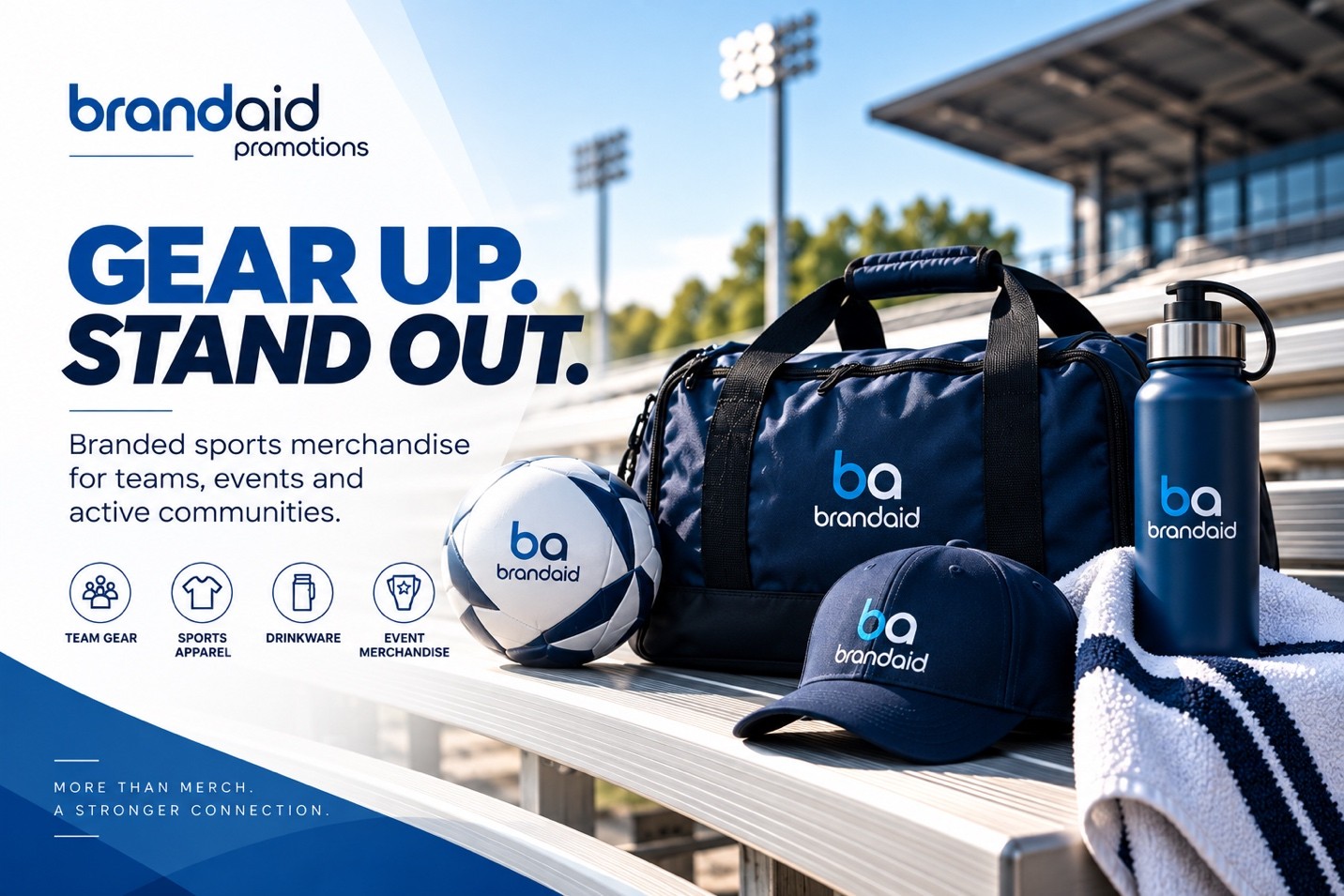
Sport has a natural ability to bring people together.
Whether it is a professional competition, local sporting club, corporate tournament, charity event or community programme, merchandise can help turn a group of individuals into something that feels more connected.
Branded sports merchandise is therefore about more than clothing and logos. It can become part of the visual identity of a team, event or community, helping participants, supporters, staff and organisers feel like they are part of the same experience.
From custom teamwear and sports apparel to bags, drink bottles and event merchandise, the right sports promotional products can combine practicality with a strong and recognisable brand presence.
What is sports merchandise?
Sports merchandise refers to branded products created for sporting teams, events, clubs, organisations, businesses and their supporters.
It can include custom sports apparel, team uniforms, training gear, headwear, bags, drinkware, towels, accessories and promotional giveaways.
The range can be as simple or comprehensive as the programme requires. A one-day corporate tournament might only need branded shirts and drink bottles, while a sporting club may require a complete merchandise range for players, coaches, volunteers and supporters.
The important consideration is choosing products that suit the activity and the people using them.
More than just teamwear
T-shirts, polos, caps and hoodies are obvious choices, but a sporting merchandise range can go much further.
Depending on the programme, businesses and organisations can consider:
- Team apparel
- Training gear
- Caps and headwear
- Sports bags
- Drink bottles
- Towels
- Event merchandise
- Promotional giveaways
- Supporter merchandise
- Custom kits and accessories
The most suitable products depend heavily on how they will be used.
A tournament might require practical event merchandise for participants. A workplace sports programme may call for comfortable apparel that employees will actually wear outside the event. A club might want a consistent range that supporters can purchase and use throughout the season.
Thinking about the full experience can also help avoid selecting products simply because they are popular. A useful product that fits the activity is often more valuable than merchandise that looks impressive but has little practical purpose.
Build a recognisable identity
One of the strengths of branded sports merchandise is consistency.
When a team walks onto a field wearing coordinated apparel, carrying matching bags and using branded drinkware, the brand becomes visible as part of the environment.
That consistency can extend beyond the players themselves.
Coaches, volunteers, staff, supporters and event organisers can all become part of the visual identity through carefully selected merchandise.
It is also worth considering how products work together. Rather than choosing each item individually, create a merchandise system where colours, logos and branding treatments feel connected.
This can be particularly useful for sporting clubs and organisations that need merchandise across multiple events or throughout an entire season. A consistent approach allows different products to feel like part of the same collection.
Design for wearability
Branded apparel has one major advantage over many promotional products: people can choose to wear it repeatedly.
But that only happens if the garment is comfortable, fits well and looks good.
Quality, sizing, fabric, colour and decoration method all matter. A garment that feels uncomfortable or looks overly promotional is unlikely to become a favourite.
When selecting branded sports apparel, think about where and when it will be worn. Performance-focused clothing may need different characteristics from casual teamwear, while a supporter T-shirt may be designed with everyday wear in mind.
The goal should be to create apparel people are happy to wear at the event — and potentially long after it has finished.
What sports merchandise can be customised?
Many different products can form part of a custom sports merchandise range.
Apparel can include team shirts, polos, jackets, hoodies and training gear. Accessories can include caps, bags, towels and drink bottles. Events can also incorporate branded giveaways and promotional products designed specifically for participants or spectators.
The branding approach can vary depending on the product. Logos, colours, names, numbers and campaign artwork can all be considered where appropriate.
Rather than applying the same treatment to every product, think about how the branding will look across the complete range. Consistent colours and visual elements can help create a more polished result.
Sport creates opportunities beyond sport
Sports merchandise can also support corporate and community programmes.
A business might use branded apparel for a staff wellbeing initiative, sponsor a local club, create merchandise for a charity event or build a branded kit for a corporate tournament.
In these cases, merchandise becomes part of a broader experience.
It can help participants feel involved, create a shared visual identity and give people something tangible to associate with the programme.
Sports merchandise can also help bring together people who may not normally interact with one another. A shared shirt, cap or event kit can become a simple visual connection between participants, organisers and supporters.
Make the merchandise part of the moment
The best sports merchandise feels connected to the activity.
A drink bottle makes sense beside a training field. A towel belongs at a sporting event. A cap works for spectators and participants alike. A sports bag can continue being used well after the final whistle.
That relevance is what gives sports merchandise its value.
When the product naturally belongs in the environment, it doesn't need to work hard to justify its presence. It becomes part of the event itself — something people can use during the activity and continue using afterwards.
Consider the full sporting experience
When planning promotional sports merchandise, it can help to look beyond the main participants.
Think about everyone who contributes to the event or programme: players, coaches, staff, volunteers, sponsors, supporters and guests.
Different groups may have different needs. Players might need performance apparel and drinkware, while supporters may be more interested in caps, casual shirts or bags. Sponsors and corporate guests may require a more premium merchandise option.
Building the range around these different audiences can create a more cohesive experience while ensuring each product has a clear purpose.
Gear up with products people want to use, wear and be part of.